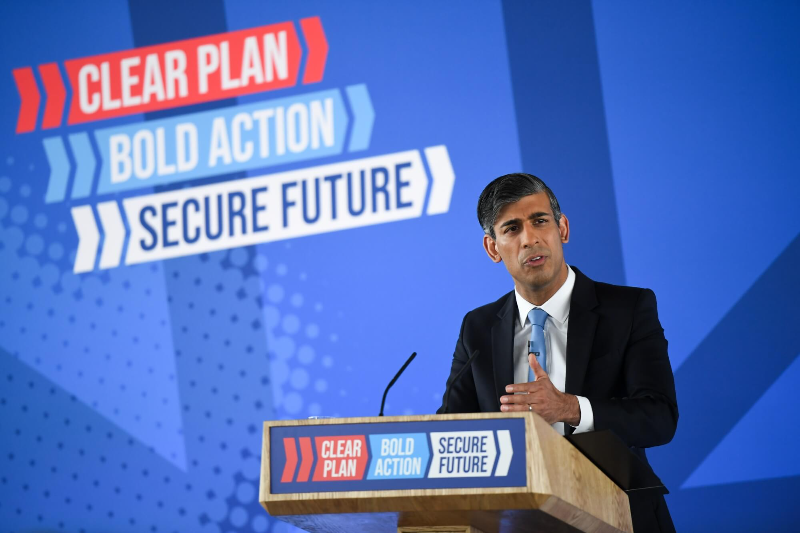
The United Kingdom is poised for a monumental electoral showdown, as Prime Minister Rishi Sunak shocked the nation by announcing a snap general election for July 4th, 2024. This unexpected declaration has set the stage for a high-stakes battle between the ruling Conservative Party and the Labour Party, led by Sir Keir Starmer, a contest that many believe could redefine the political landscape of Britain for years to come. Far from the traditional autumn election many anticipated, this summer vote injects a fresh sense of urgency and unpredictability into British politics, making every day until polling day count.
The Unexpected Call: Why July 4th?
Rishi Sunak's decision to call a general election significantly earlier than expected has been widely interpreted as a calculated gamble. Under UK law, the next general election was due by January 2025, following the Conservatives' victory in December 2019. However, facing consistent deficits in opinion polls since 2021, the Prime Minister chose to seize the initiative rather than waiting, a move that left many within his own party surprised.
Several factors likely contributed to this bold strategy:
- Dwindling Prospects: With the Conservative Party consistently trailing Labour in national polls by significant margins, some within the party may have concluded that delaying the inevitable would only lead to a more severe defeat. The sentiment might have been "act now or face a potentially worse outcome later."
- Economic Headwinds & Glimmers of Hope: While the UK economy has faced considerable challenges, recent data offered Sunak a potential talking point. A slowdown in inflation figures provided a narrative of economic improvement, however modest, that the government could claim credit for. Though not solely due to government action, this offered a window to campaign on perceived progress.
- Party Discipline: An early election can sometimes rally a fractured party, forcing members to unite against a common opponent rather than engaging in internal strife.
By opting for a July 4th date, Sunak has aligned the UK's pivotal democratic moment with a date globally associated with independence and new beginnings, particularly in the United States. For a nation wrestling with its identity and future direction, this election could well be the moment a new political chapter is Né Un 4 Juillet – "born on July 4th" – a significant political rebirth, irrespective of which party emerges victorious. This profound moment of decision will shape everything from economic policy to public services, leaving no aspect of British life untouched. For a deeper dive into the Prime Minister's rationale, read Sunak's Gamble: The Real Reasons Behind the July 4th Election.
Understanding the UK Electoral Landscape
The UK operates on a "first-past-the-post" electoral system, a mechanism that simplifies the voting process but often leads to significant majorities for winning parties. Here's a quick overview:
- Constituencies: The United Kingdom is divided into 650 geographical areas, known as constituencies. Each constituency elects one Member of Parliament (MP) to represent its local residents in the House of Commons.
- The Vote: On July 4th, voters in each constituency will cast their ballot for a single candidate. The candidate who receives the most votes in that constituency wins and becomes its MP. It doesn't matter if they win by a single vote or a landslide; they just need more than any other candidate.
- Forming a Government: The party that wins a majority of the 650 seats (i.e., 326 or more) typically forms the next government. If no single party achieves an outright majority, a "hung parliament" occurs, potentially leading to coalition governments or minority administrations.
- Candidates: Most candidates represent a political party (like Conservatives, Labour, Liberal Democrats, Green Party, etc.), but some choose to stand as independents, free from party allegiances.
For citizens, understanding this system is crucial. Your vote directly contributes to electing your local representative, and cumulatively, these local decisions determine the national government. In a tightly contested election, every single vote truly matters, especially in marginal constituencies where the outcome could be decided by a handful of ballots.
The Battleground: Conservatives vs. Labour
As the campaign officially kicks off, the latest opinion polls paint a challenging picture for the incumbent Conservatives. For over a year, Labour has consistently held a lead of over 40% in many surveys, placing them significantly ahead of the Conservatives. While polls are not always accurate predictors and can shift dramatically during a campaign, they set a clear expectation for Labour to enter the election with considerable momentum.
The campaign is expected to revolve around several critical issues:
- The Economy: Cost of living, inflation, taxation, and growth strategies will undoubtedly dominate debates. Labour will likely criticize the government's handling of the economy, while Conservatives will highlight any positive economic indicators.
- National Health Service (NHS): Waiting lists, funding, and staff shortages remain a top concern for voters across the country. Both parties will be keen to present their solutions for strengthening the beloved, yet embattled, NHS.
- Immigration: Policies regarding legal and illegal immigration, border control, and asylum will be fiercely debated, particularly given recent government pledges and controversies.
- Public Services: Education, transport, and local government funding will also feature prominently as parties outline their visions for improving everyday life in Britain.
Rishi Sunak hopes that recent improvements in inflation and a sharpened focus on the Conservative Party's policy agenda will help close the gap. Sir Keir Starmer, conversely, will be focused on maintaining Labour's strong position, convincing voters that his party offers a credible alternative and a stable path forward. This election presents a pivotal choice for the electorate, as outlined in UK General Election 2024: Why July 4th Matters.
What's at Stake: A Nation's Future
This July 4th general election is more than just a routine change of government; it's a profound moment of national choice that will determine the UK's trajectory for the next half-decade. The outcome will dictate economic policy, social reforms, international relations, and the very fabric of public services. Will the Conservatives manage an unlikely comeback, securing another term to continue their agenda? Or will Labour usher in a new era, implementing their vision for a different Britain?
The stakes are incredibly high for both parties and, more importantly, for every citizen. Voters will weigh up leadership, policy proposals, and past performance, making a decision that will resonate far beyond election day. This truly is a moment where the future of the nation, in all its complexity and potential, is being decided.
As the UK counts down to July 4th, the political rhetoric will intensify, and the battle for hearts and minds will rage across every constituency. This general election is not just about who governs, but what kind of country Britain wants to be. The decision made by millions will determine the path forward, shaping the nation's identity and prosperity for years to come. It promises to be a truly historic and defining moment in modern British history.